
A 25-year-old and a 70-year-old can eat the identical chicken breast, and only one of them builds much muscle from it. Same amino acids, same digestion, wildly different result. The older body hears the signal and mostly shrugs.
This is anabolic resistance, and it is one of the quieter reasons people shrink after 60. Not because they stop eating protein, and often not because they stop moving. Because the machinery that turns dietary protein into muscle gets hard of hearing, and the dose needed to wake it up climbs while appetite usually falls.
The signal your muscle is supposed to hear
Eating protein does two things. It delivers building blocks, and it flips a switch. The switch is a cellular pathway called mTOR, and the loudest chemical knocking on that door is leucine, one of the branched-chain amino acids. When leucine in the blood crosses a certain level, muscle protein synthesis ramps up for a few hours. Fall short of that level and the meal feeds you without really rebuilding you.
In a young adult, roughly 20 grams of high-quality protein pushes leucine past the trigger point. In an older adult, the same 20 grams often does not. The receptor sensitivity is blunted, blood flow to muscle after a meal is sluggish, and low-grade inflammation adds background static. So the older body needs a bigger single dose to hit the same synthetic response, somewhere in the neighborhood of 30 to 40 grams per meal, with about 2.5 to 3 grams of leucine inside it. That is a lot of food to ask of someone whose appetite is fading.
What the long-term data show
The day-to-day cost of this is muscle you quietly lose. In the Health, Aging and Body Composition study, which tracked community-dwelling adults in their seventies for three years, people in the highest fifth of protein intake lost about 40 percent less lean mass than those in the lowest fifth (Am J Clin Nutr, 2008). That is an association, not a controlled diet trial, so genetics and overall health muddy the picture. But it lines up with everything the lab work predicts.
Why care about lean mass beyond the mirror? Because muscle is the organ that keeps you upright, catches you when you trip, and holds your metabolism together. Grip strength, a crude readout of total muscle function, predicted death and cardiovascular events better than systolic blood pressure across 17 countries in the PURE study (Lancet, 2015). Losing muscle is not cosmetic. It is a slow withdrawal from the account that keeps you independent.
The two ways to make muscle listen again
You can turn the volume up on the signal, and you can repair the receiver. Both work, and they stack.
Turning up the signal means eating more protein per sitting, not just more per day. Three meals of 35 grams beats a bagel breakfast, a light lunch, and a 60-gram protein dinner, even if the daily totals match. The lopsided version wastes most of its building material because two of three meals never cross the threshold. Spread it out. Anchor each meal with a real protein source.
Repairing the receiver is what resistance training does. A single bout of lifting makes muscle dramatically more sensitive to amino acids for a day or more, which partly restores the youthful response. This is the part people miss. Protein without training in an older body is like turning up a radio with a broken antenna. Together they are far stronger than either alone, which is the whole argument for strength training after 40.
How much, and from where
The official RDA of 0.8 grams per kilogram of body weight was set to prevent deficiency in the average adult, not to preserve muscle in an aging one. Geriatric nutrition consensus has argued for years that older adults do better closer to 1.0 to 1.2 grams per kilogram, and up to 1.5 if they are ill or recovering.
| Group | Daily protein target | Per meal |
|---|---|---|
| Adults under 40, sedentary | 0.8 to 1.0 g/kg | 20 to 25 g |
| Adults 40 to 65, active | 1.2 to 1.6 g/kg | 30 to 40 g |
| Adults 65+, healthy | 1.0 to 1.2 g/kg | 30 to 40 g |
| Older adults, ill or rehabbing | up to 1.5 g/kg | 35 to 40 g |
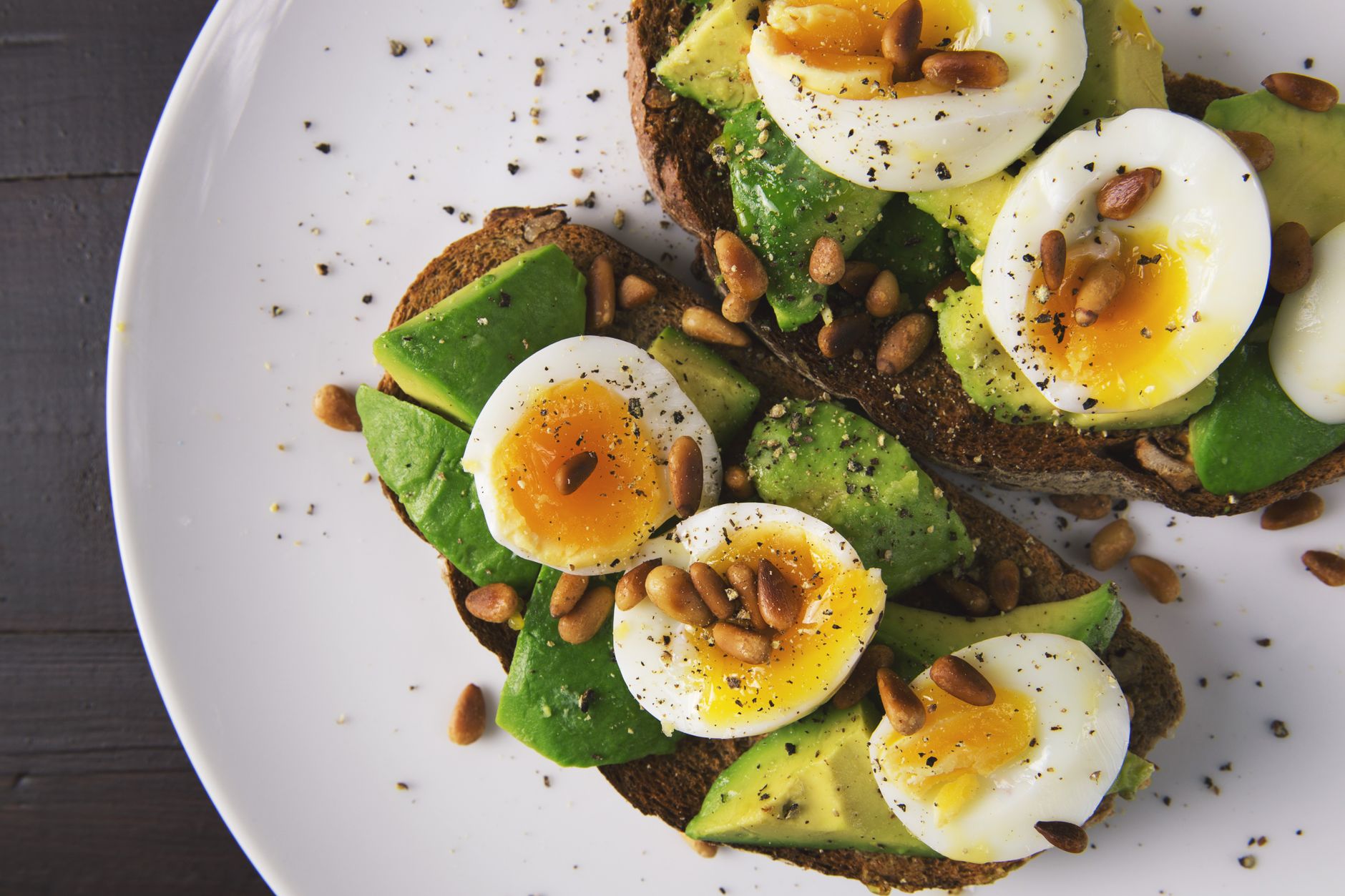
For a 75-kilogram person, 1.2 g/kg is 90 grams a day, which sounds like a lot until you break it down: three eggs and Greek yogurt at breakfast, a palm of chicken or fish at lunch, and a serving of meat, tofu, or lentils with dinner. Animal proteins and dairy carry more leucine per gram, so they hit the threshold with less volume. Plant eaters get there too, just with larger portions or by leaning on higher-leucine sources like soy, and it pairs nicely with the fiber most people are already missing (see the fiber gap).
Where the evidence gets honest
A few things are still contested. Whether older adults truly need the full 40-gram bolus at every meal, or whether the total over the day matters more, is not settled. The leucine threshold numbers come mostly from short-term studies measuring synthesis over hours, not multi-year trials measuring who kept their independence. And large protein supplement trials in frail elders have produced mixed results, largely because supplements do little unless a training stimulus comes with them.
What is not really in doubt is the direction. Older muscle needs a stronger nudge, that nudge is a combination of adequate per-meal protein and loading the muscle, and waiting until you feel weak to start is waiting too long. Sensitivity is easier to preserve than to rebuild. The steak you eat at 55, next to the barbell you actually picked up, is a message your muscle can still hear clearly.