
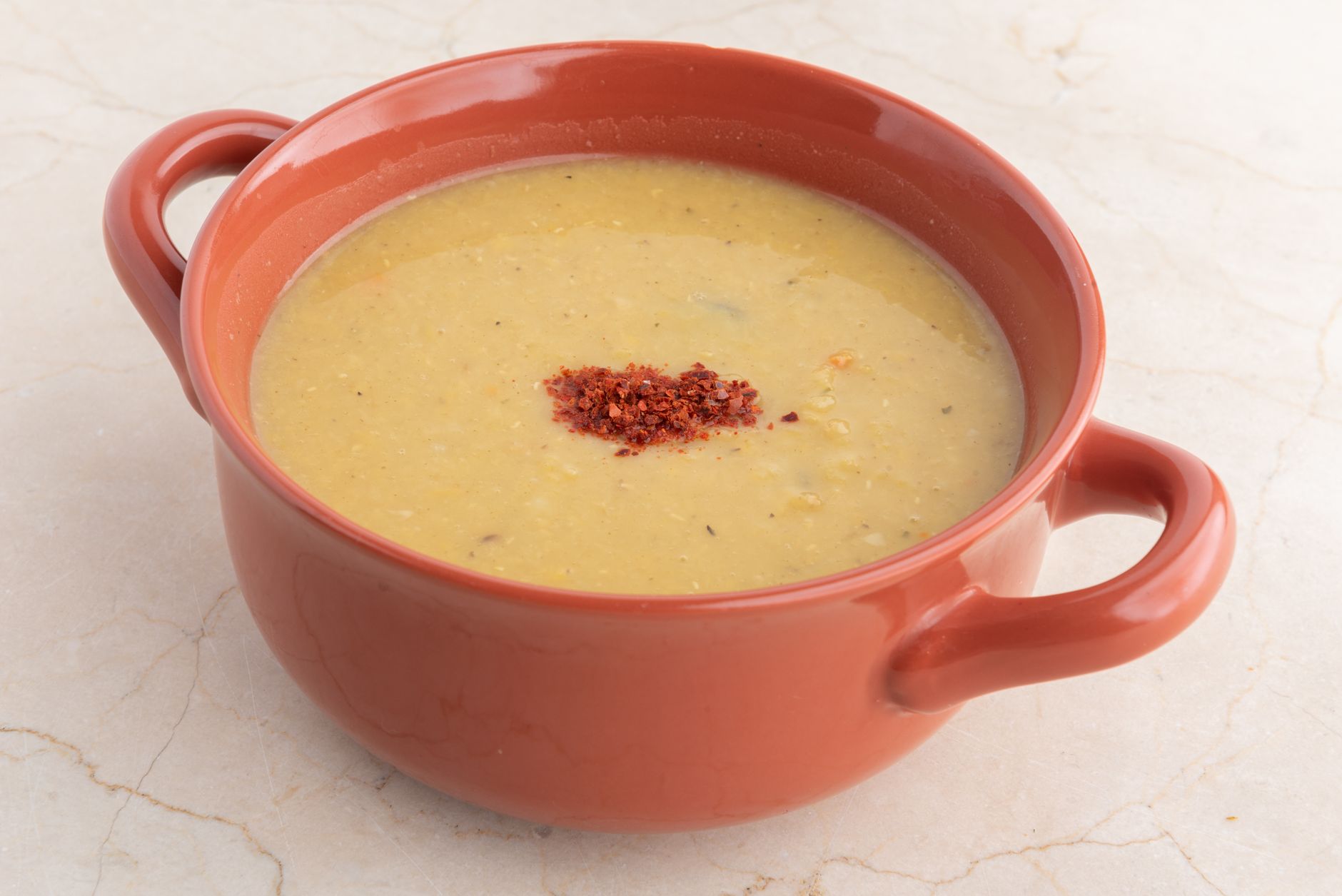
Red lentils are one of the few plant foods that cook faster than pasta and still land 18 grams of protein and a wall of fiber on the plate. Misir wot, the Ethiopian red lentil stew, is what happens when you treat that lentil with the respect a good cook gives a braise: onions cooked down until they collapse, chili and warm spice bloomed in oil, then a low simmer until the whole pot turns glossy and thick. No cream, no coconut, almost no fat unless you add it. The flavor comes from technique.
This is a stew that improves overnight, which makes it one of the best meal-prep dishes I know. It reheats like a dream and it does not get watery or sad the way a lot of vegetable food does by Wednesday.
What you are actually cooking
Misir wot (sometimes spelled misir wat) is a staple of Ethiopian and Eritrean tables, traditionally cooked in niter kibbeh, a clarified butter infused with ginger, garlic, and spices. Butter carries the berbere beautifully, and if you want the fully traditional version, use it. But olive oil works here without turning the dish into something else, because the real backbone of the flavor is berbere and slow-browned onions, not the fat. The dish stays recognizably itself. If anything, olive oil lets the spices read a little brighter.
Berbere is the whole game. It is a red spice blend built on chilies, fenugreek, coriander, cardamom, allspice, cloves, and ginger. Buy a good one or blend your own. A dull, dusty berbere makes a dull stew, so this is a spice worth spending on.
What the key ingredients are doing
Red lentils do the heavy lifting on both protein and fiber. In the largest analysis of fiber and health to date, higher fiber intake was associated with a 15 to 30 percent lower risk of all-cause and cardiovascular mortality, with the strongest protection around 25 to 29 grams a day (Lancet, 2019). One bowl of this gets you a solid chunk of the way there.
Legumes as the main event. Eating legumes four or more times a week was associated with a roughly 22 percent lower risk of coronary heart disease compared with eating them less than once a week, in a long-running follow-up of US adults (Arch Intern Med, 2001). Association, not proof, but it points the same direction as everything else we know about pulses.
The cholesterol angle is more direct. A meta-analysis of controlled trials found that eating about one serving of pulses a day (roughly 130 grams) lowered LDL cholesterol by about 5 percent (CMAJ, 2014). That is a real, measurable effect from food you would eat anyway.
The chili in the berbere is not just heat. In a large Chinese cohort, people who ate spicy food six or seven days a week had about a 14 percent lower risk of death over the study period than those who ate it less than once a week (BMJ, 2015). Observational, so read it gently, but the mechanism (capsaicin’s effects on inflammation and metabolism) is plausible and the direction is consistent.
Turmeric, ginger, and garlic round out the aromatics. I am not going to dress these up with a specific trial, because the human data on isolated spice compounds is messier than the supplement aisle suggests. What they reliably do is make lentils taste like something you want to eat again, and that is the whole point of cooking flavor into health food rather than bolting it on.
The move that makes or breaks it
Brown the onions properly. This is where most home cooks quit early. You want the onions cooked slow and long, with almost no oil at first, until they go from pale to deep golden-brown and jammy. That is 15 to 20 minutes of real attention, and it builds the sweet, savory base the whole stew leans on. Rush it and you get spiced lentil mush. Do it right and you get depth you would swear came from meat stock.
The second move is blooming the berbere and tomato paste in the fat before the lentils go in. Raw spice tastes flat and slightly bitter. Thirty seconds in hot oil turns it round and fragrant.
Recipe
See the card below. It serves four as a main with injera, rice, or flatbread, or six as a side.
Approximate nutrition per serving
Based on four servings, roughly: 330 calories, 18 g protein, 15 g fiber, 45 g carbohydrate, 10 g fat (mostly monounsaturated from olive oil). Serve it over rice or with injera and it becomes a full plate. A spoon of thick Greek yogurt or a scoop of cottage cheese on top pushes the protein past 25 g and cools the heat at the same time, if your berbere runs hot.
Storage, reheating, and variations
Misir wot keeps in the fridge for up to five days and genuinely tastes better after one night, once the spices settle. It freezes well for three months. Reheat gently with a splash of water, because it thickens as it sits and you want it loose and glossy again.
A few variations worth making. Stir a few big handfuls of spinach or kale in at the end for a gomen-style green lift. Add a diced carrot and potato with the lentils for a heartier one-pot meal. If you want more protein without changing the character of the dish, drop in a cup of cooked chickpeas for the last ten minutes. For a full Ethiopian plate, serve alongside a simple cabbage and carrot sauté and something creamy like the yogurt trick above.
If you like this style of legume-forward cooking, it sits comfortably next to our lentil and sweet potato soup and the chickpea curry in the rotation. Three pots, one shopping list, a week of lunches sorted.
Cook it once for dinner. Cook it twice because the leftovers are better than the dinner was.